12Mar
When analyzing different offers for price comparisons, the first reaction is usually to compare only the final figure.
In reality, however, two models that look similar in photos may have completely different constructions and, implicitly, different durability.
A corner sofa is not just a large piece for the living room.
It is a combination of internal structure, comfort, upholstery, dimensions and additional functions.
All of these elements influence the final cost.
In the current market, corner prices can start from approximately 1,700–2,000 lei for simple models and can exceed 5,000–6,000 lei for large or premium variants, especially extendable or modular ones.
If you want to choose a suitable model, it's worth understanding what influences these price differences and how to compare offers without being fooled by appearances.
Main factors influencing corner prices
The price differences arise from several structural and functional elements.
It's not just about the design or size, but about how the piece is built and used.
The main factors are:
- Internal structure and frame materials.
- The size and configuration of the corner.
- The quality of the upholstery.
- Foam density and seating comfort.
- Additional features, such as the sleeping extension.
- Services included in the offer.
A simple model, with moderate dimensions and without special mechanisms, will naturally have a lower price than an extendable or modular one.
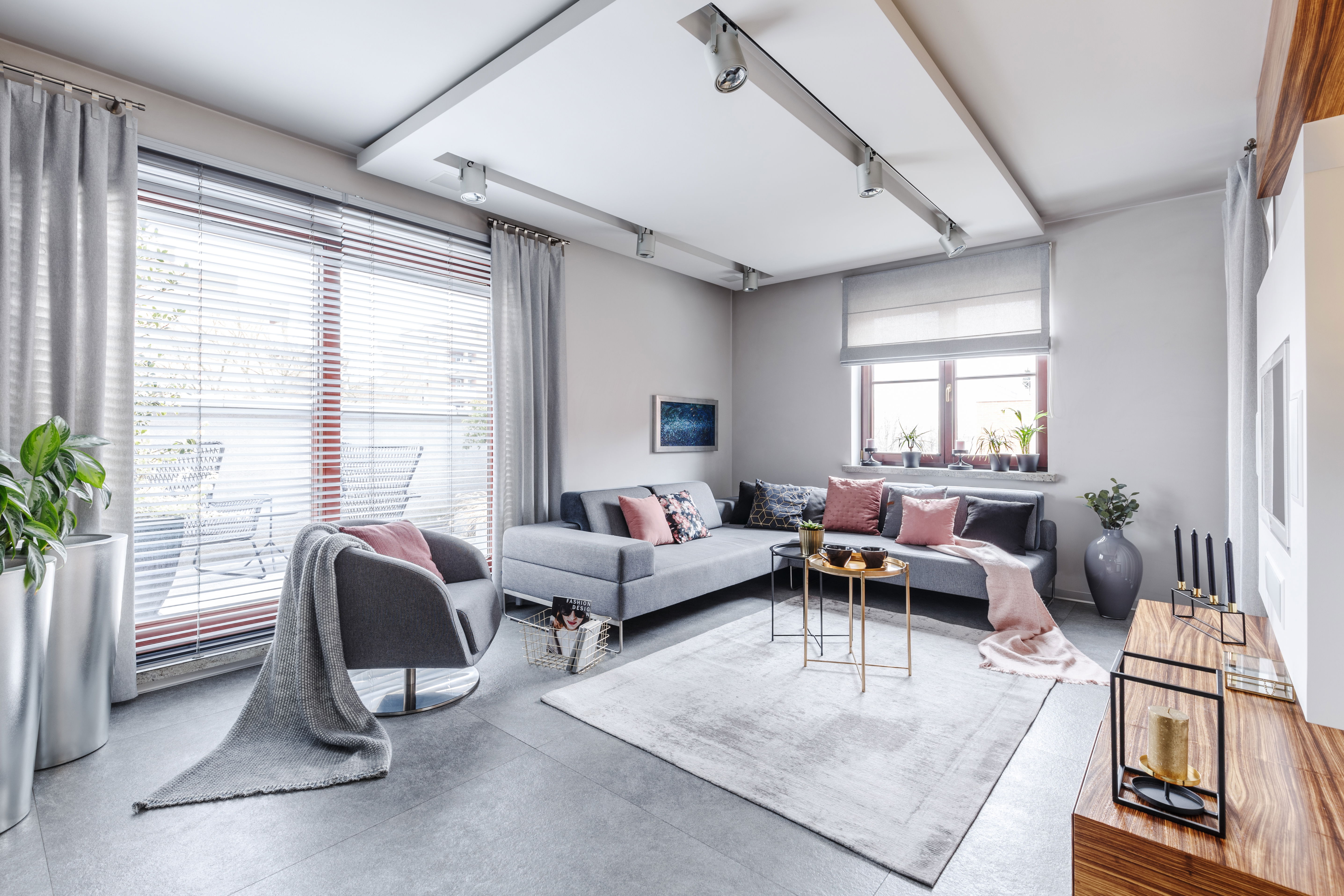
Corner size and configuration
The first element that influences corner prices is size.
Large corners consume more materials, require more labor in production, and have higher transportation costs.
Price categories by type:
| Corner type | Approximate price |
| Small corner for the apartment | 1,700 – 2,500 lei |
| Standard extendable corner | 2,300 – 3,500 lei |
| Large corner sofa with chaise longue | 3,500 – 5,000 lei |
| Modular or premium corner | 5,000 – 7,000+ lei |
These values are indicative and depend on the materials and manufacturer.
Extendable or storage models are normally more expensive because they include additional mechanisms and more components.
Common corner configurations:
- Fixed L-shaped corner.
- Corner sofa with chaise longue.
- Extendable corner sofa.
- Configurable modular corner.
The more complex the configuration, the higher the price increases.
Internal structure: the difference between a good and a cheap corner
The internal structure is probably the most important factor that buyers ignore.
Inside a corner there is:
- Wooden or metal frame.
- Stiffening elements.
- Springs or elastic support.
- The foam layer.
If the structure is weak, the corner may start to creak or warp after a few months of use.
What to check for in the structure:
- Solid wood or laminated wood frame.
- Solid joints, not just staples.
- Uniform distribution of support in the seat.
In a sofa showroom in Bucharest, the difference between a well-built model and a weak one becomes obvious when you test the seat or the stability of the frame.
Comments